Case Study
Transforming Design at Sense
I joined to manage a design system. Three years later we had two design systems, a rebranded mobile app, and a wave of AI-powered products for recruiters, with design leading the way.
- Role
- Design System Manager → Design Leadership
- Scope
- Design systems · Product · Mobile · AI
- Stack
- React · React Native · Figma
- Years
- 2022-2025
01 · The starting point
Hired for a system, handed a platform
Sense is a talent engagement platform used by recruiting teams to reach, screen, and hire candidates. When I joined, the brief was clear and contained: manage the design system.
The reality was bigger. The platform had grown feature by feature, the web and mobile experiences had drifted apart, and there was no shared foundation for the product ambitions ahead, especially the move into AI.
My role changed fast: from managing a design system to building and managing it, and leading the high-level initiatives for all design efforts across the company.
02 · The remit
What transformation actually meant
- 1
Build and manage the design system own Genesis end to end, from tokens and components to adoption across teams.
- 2
Lead the high-level design initiatives set direction for every major design effort across the platform.
- 3
Unify web and mobile one design language across the React platform and the React Native app.
- 4
Ship products, not just guidelines the system had to prove itself in real product work, from automation to AI.
03 · The approach
System first, then everything on top of it
The strategy was to sequence the work: build the foundation first, then let every product effort compound on it. Genesis, the React design system, came first. The mobile system in React Native followed, sharing the same token DNA.
With the systems in place, product work stopped starting from zero. The mobile rebrand, Voice AI, Write with AI, and the recruiting chatbot all shipped on shared components, which is what made that much surface area possible for one design team.
A design system isn't the goal. It's what lets a small team transform an entire platform.
04 · The work
Six workstreams, one foundation
This isn't everything, but these are some of the most impactful pieces I led and worked on across my three-plus years.
01 / Design System
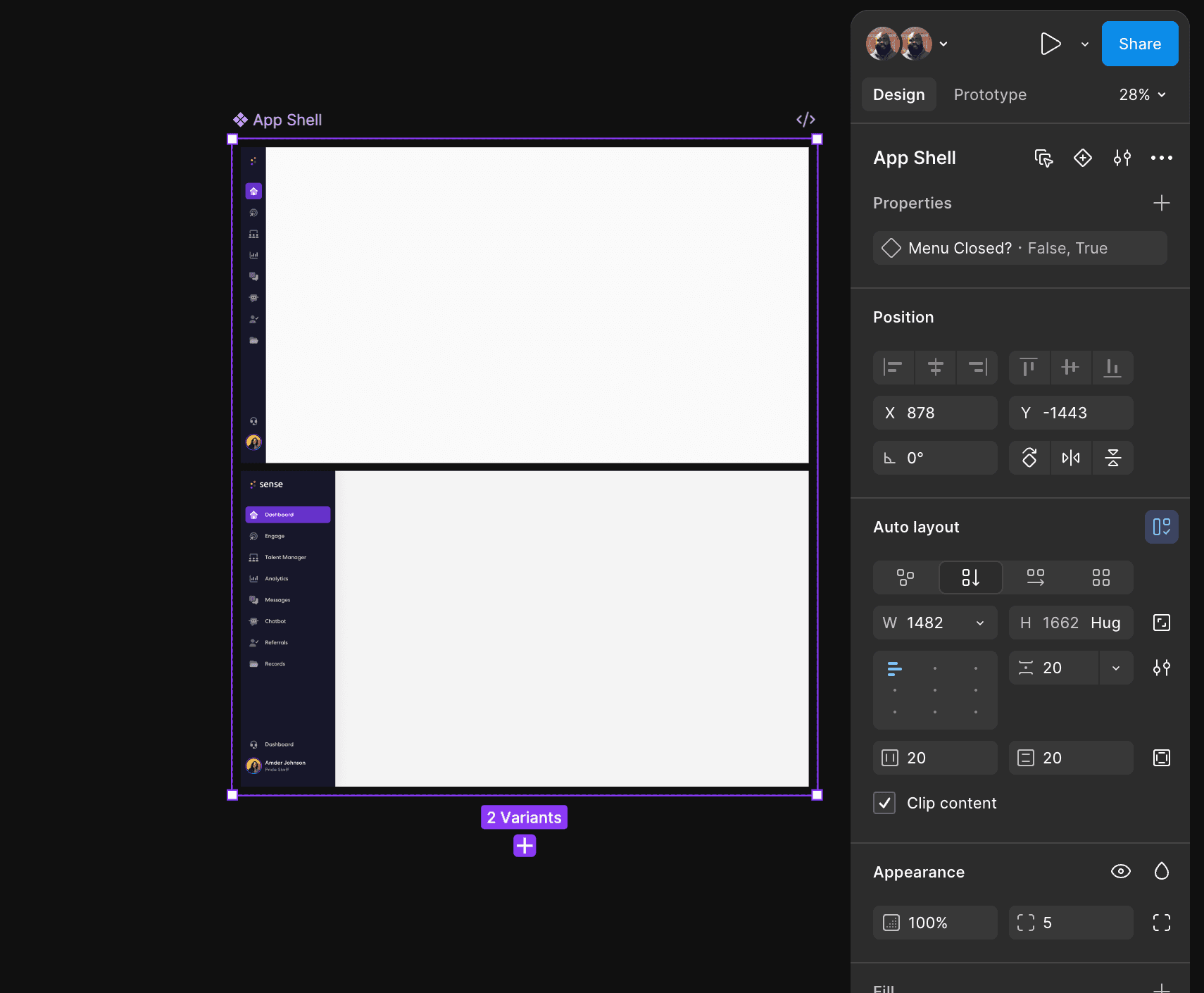
Genesis, the React design system
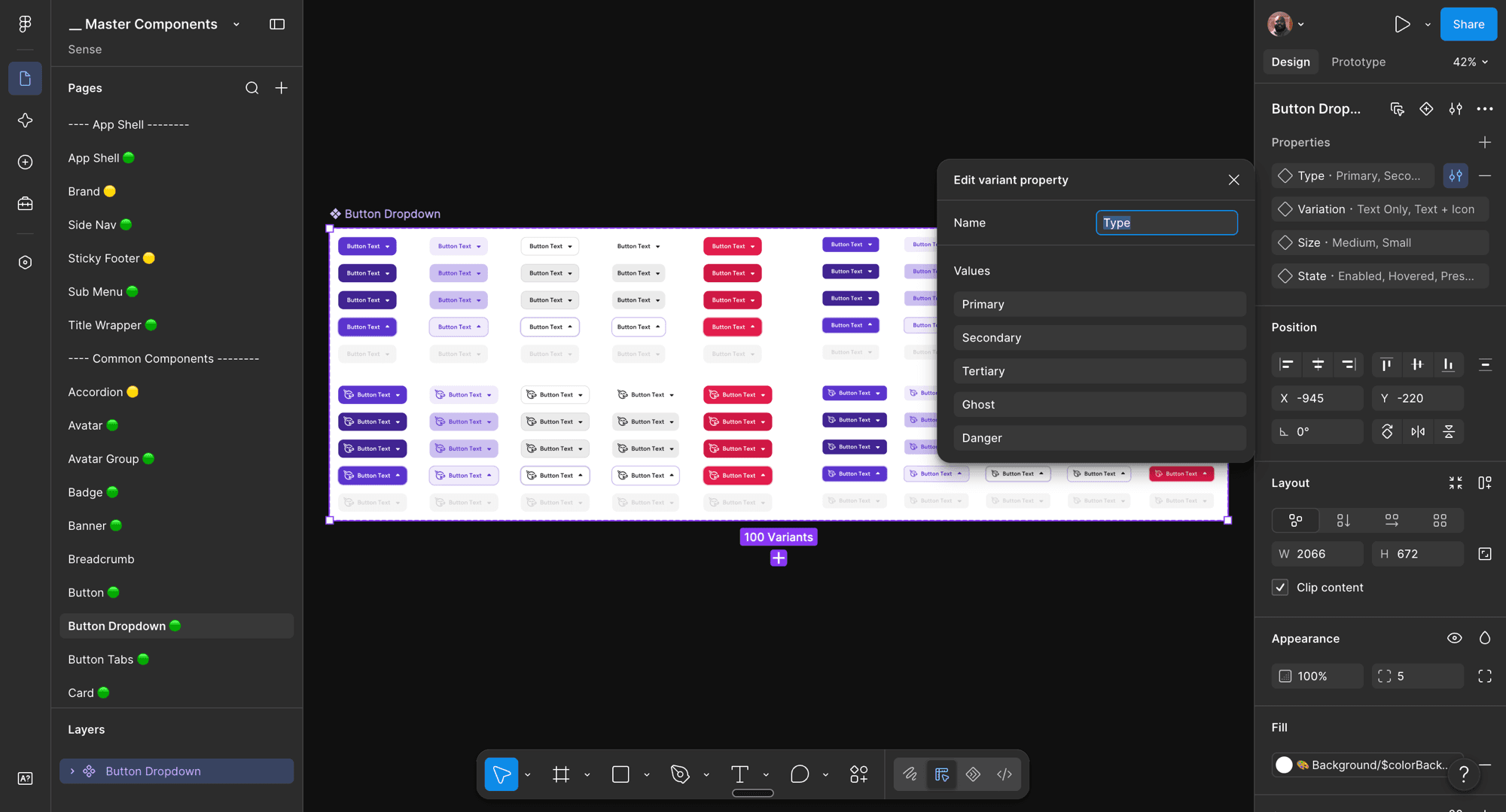
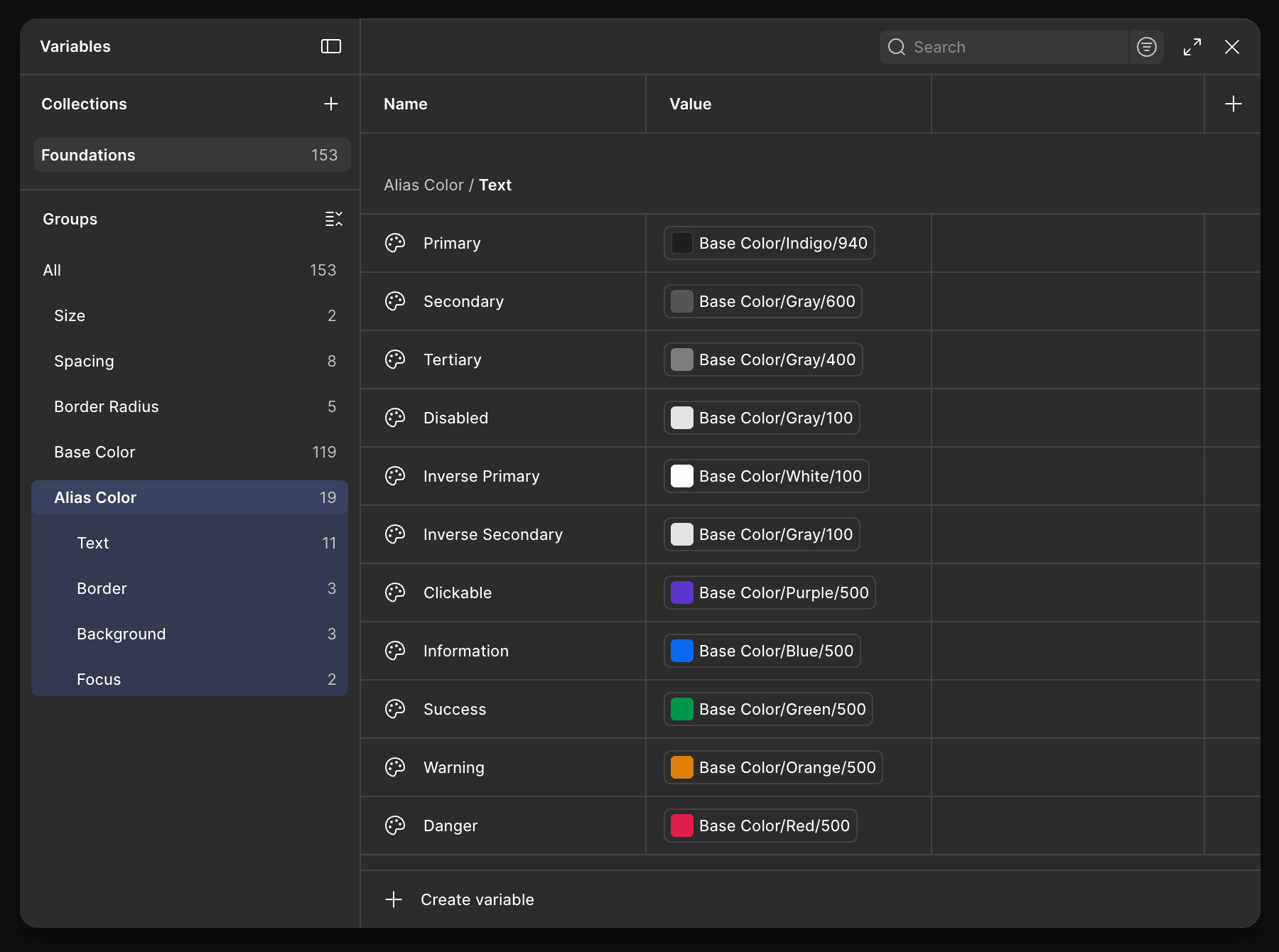
The foundation everything else was built on. Base and alias tokens, a full React component library, patterns, and docs, built from the ground up and adopted across the platform.
02 / Mobile
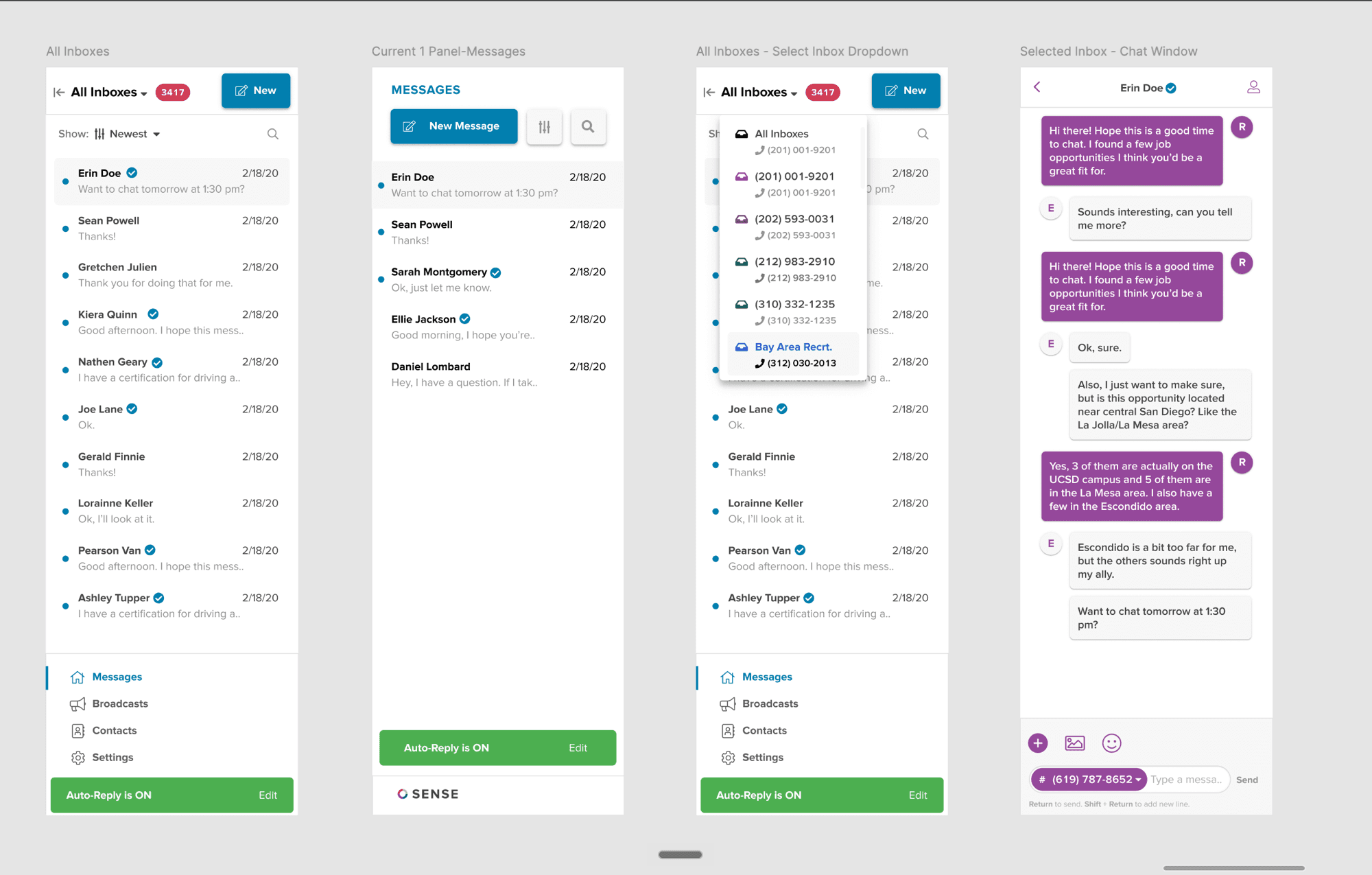
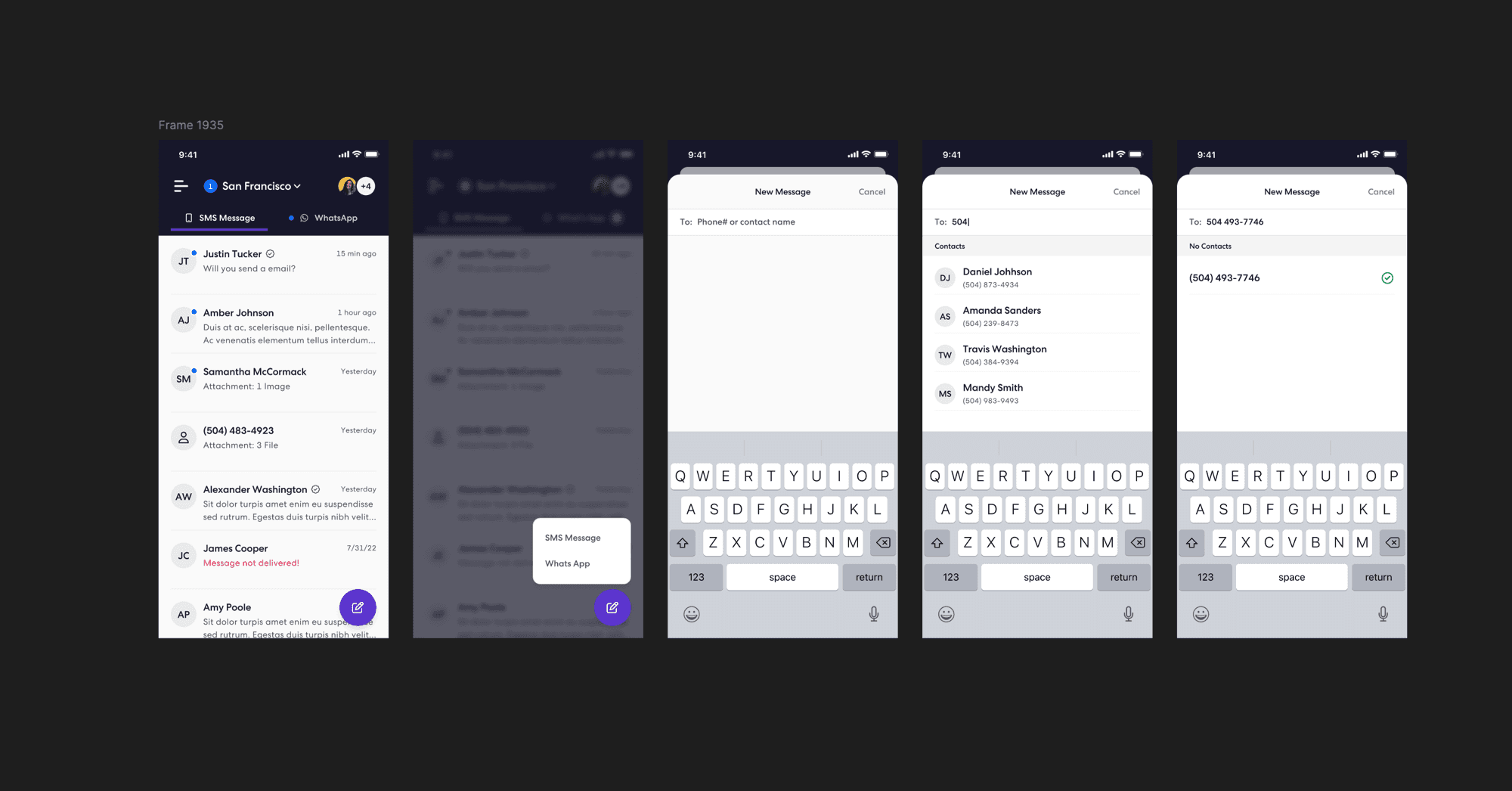
Rebranding the mobile app
With the mobile system in place, we rebranded the entire React Native app on top of it, a full visual overhaul shipped without pausing feature work.
03 / AI
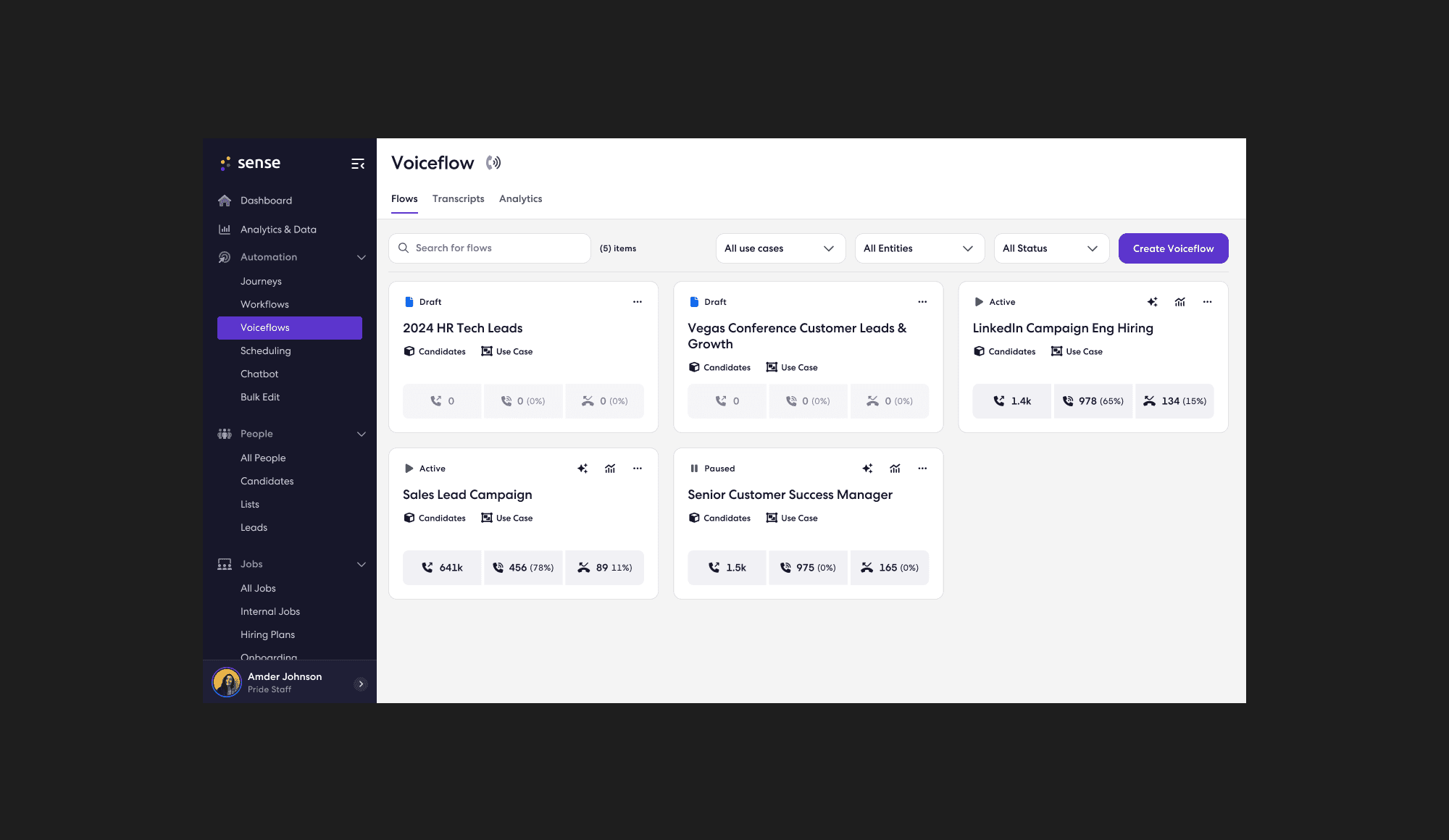
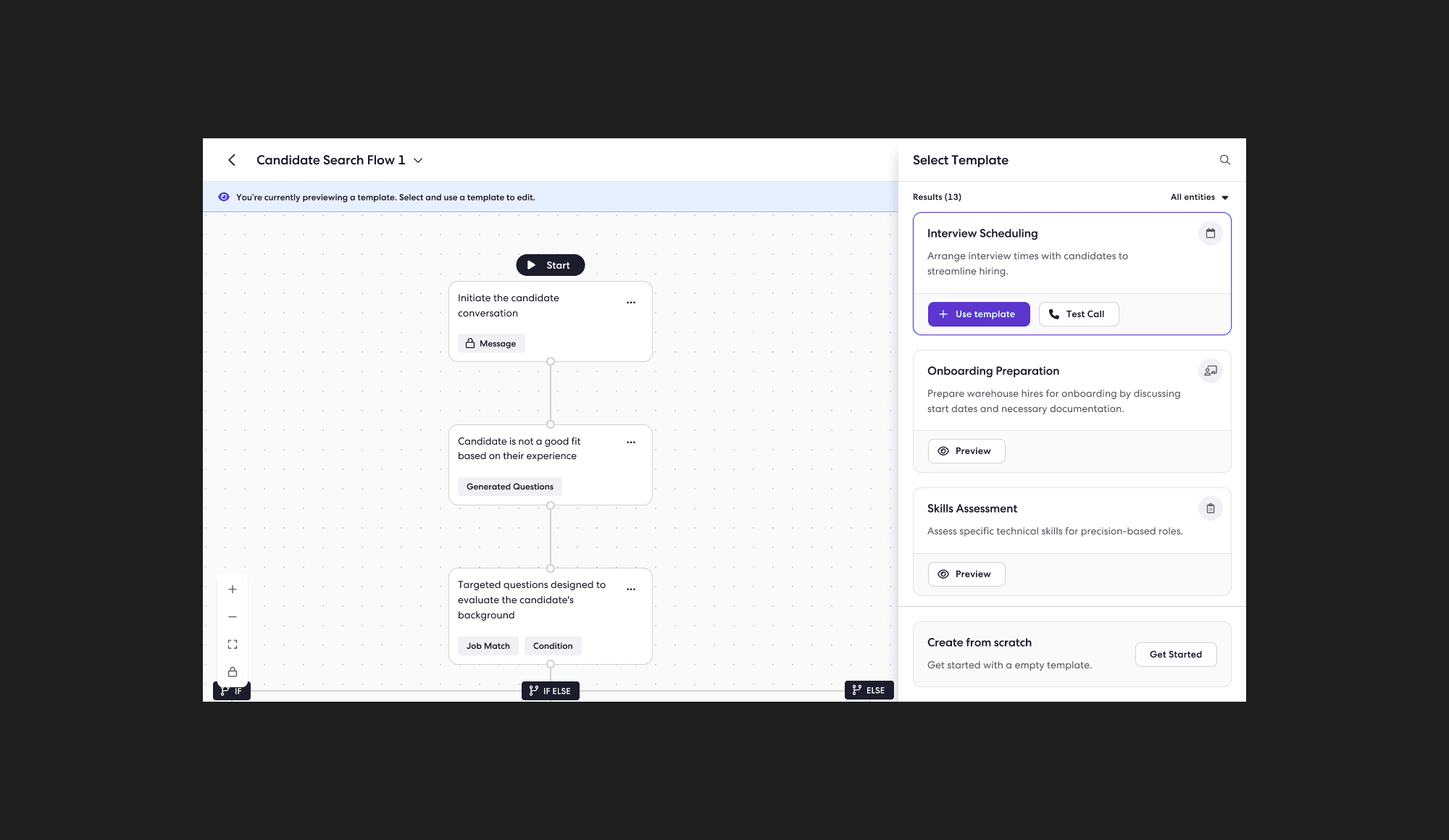
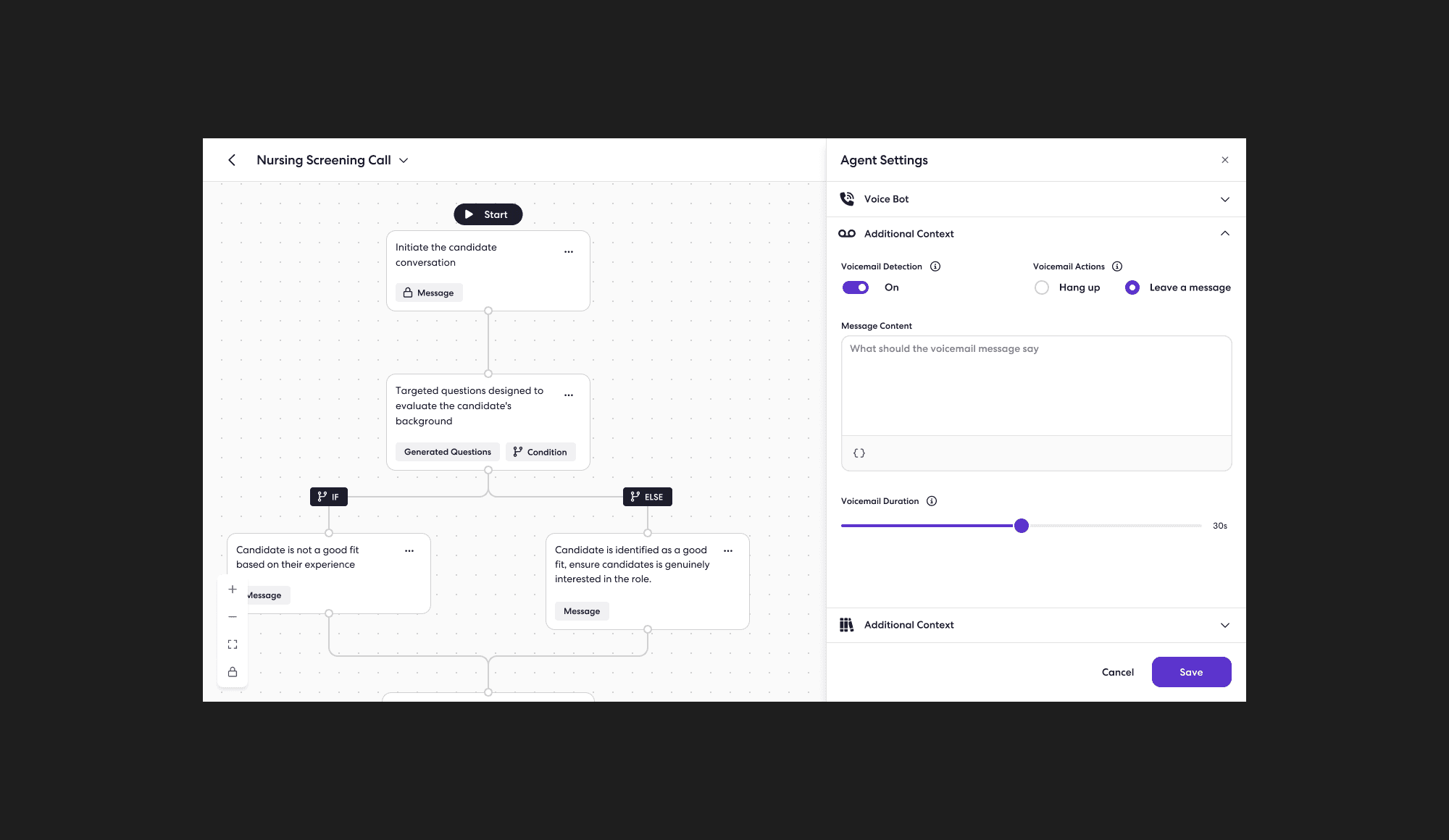
Voice AI candidate screening
One of the first AI products at Sense: an automated voice system that screens candidates for recruiters, handling the first pass of qualification calls so pipelines keep moving around the clock.
04 / AI
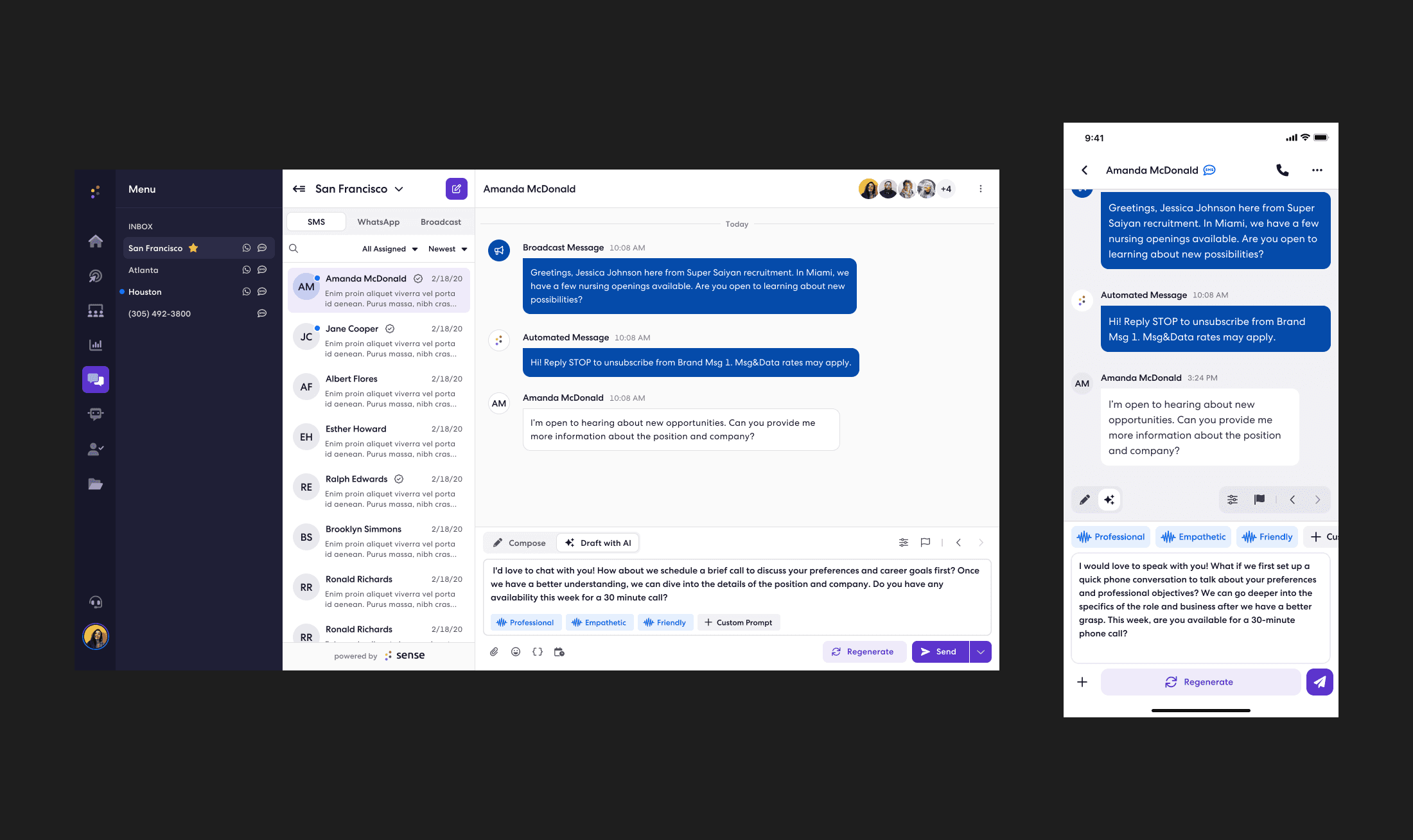
Write with AI
An AI writing feature built into messaging: recruiters draft outreach with AI, steer the tone, professional, empathetic, friendly, or a custom prompt, and regenerate until it sounds right, on desktop and mobile.
05 / AI
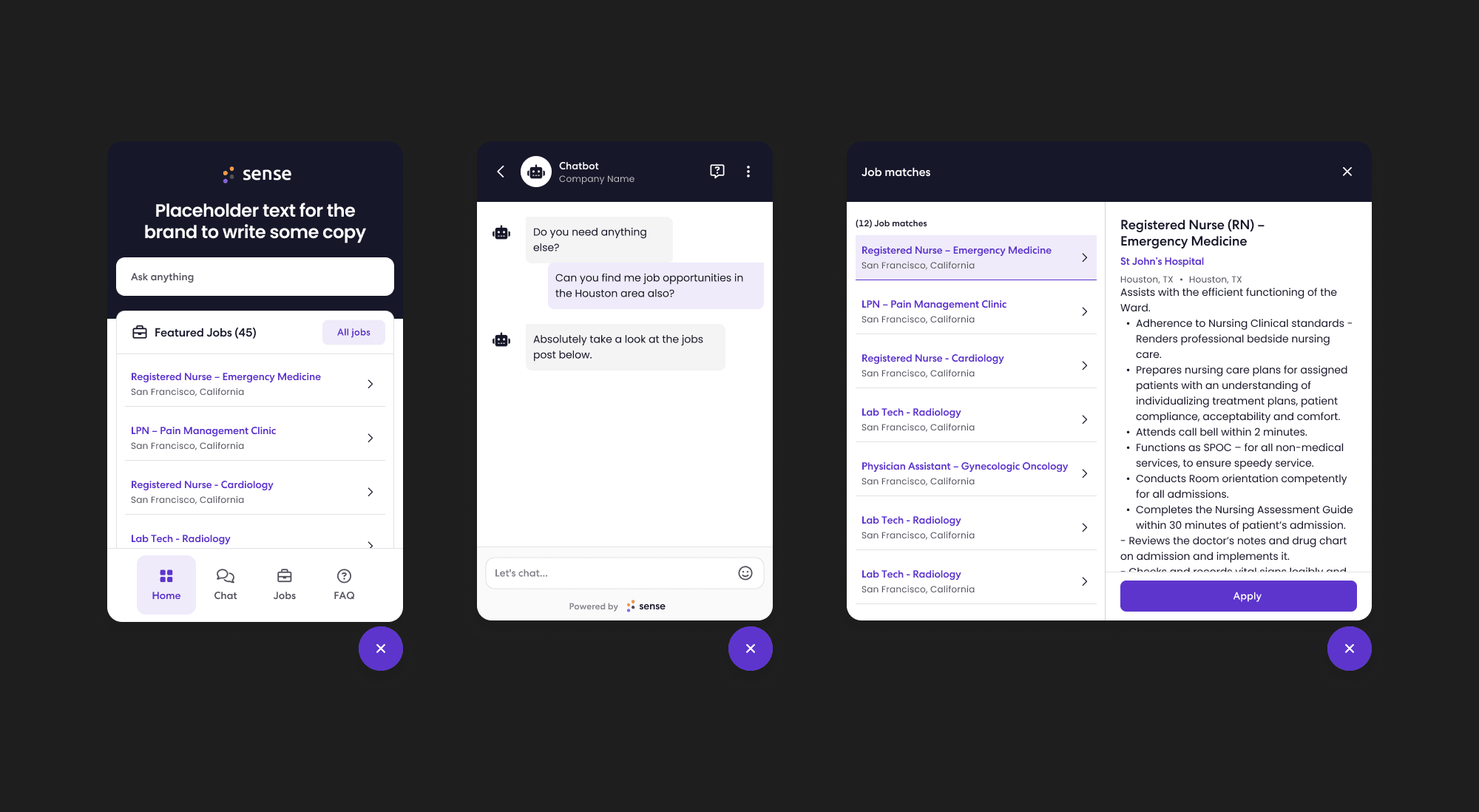
Recruiting chatbot
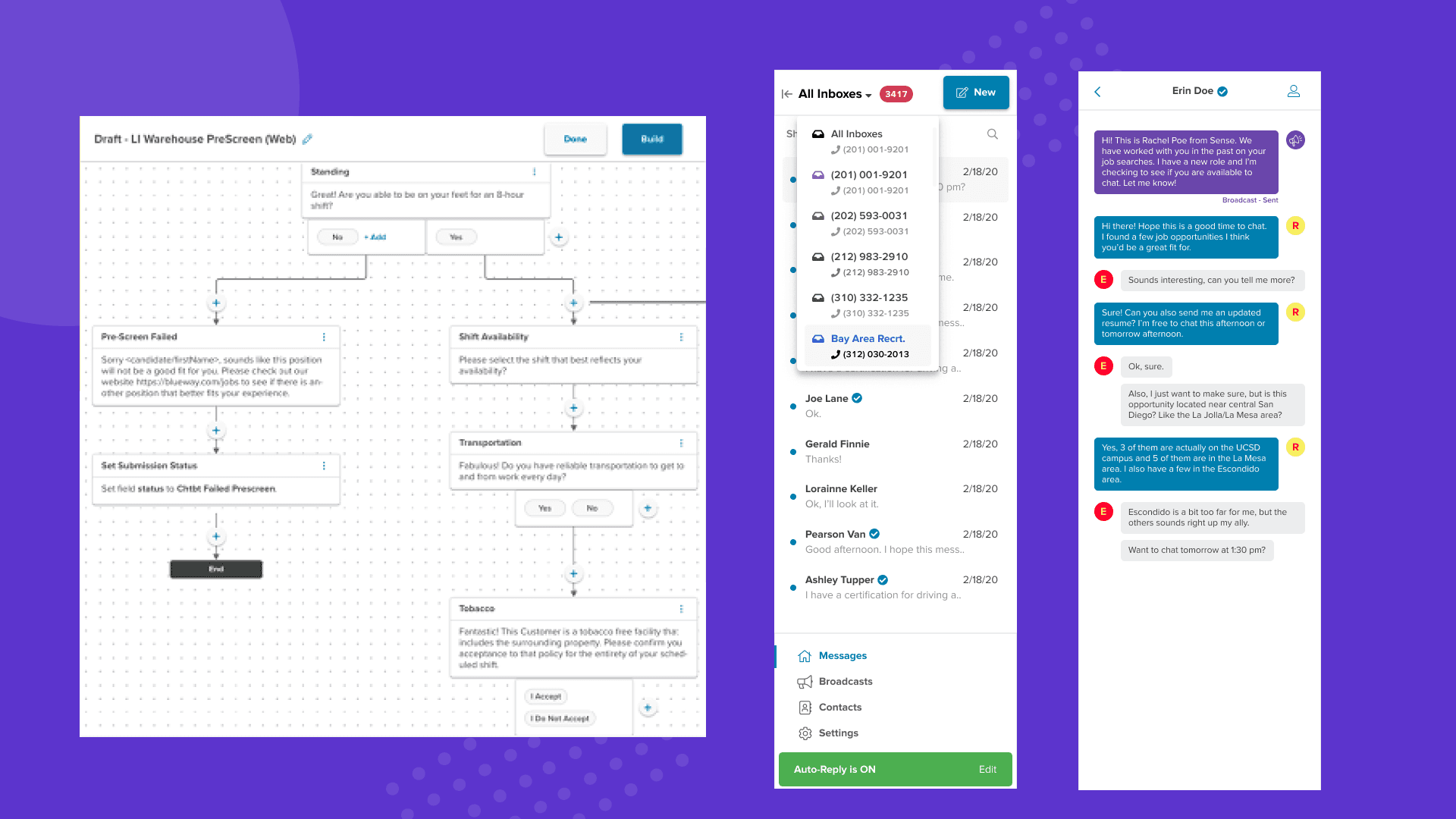
An embeddable chatbot recruiters drop onto their website to meet job seekers where they land: it answers questions, surfaces matching openings, and pulls candidates straight into the recruiting funnel.
06 / Product
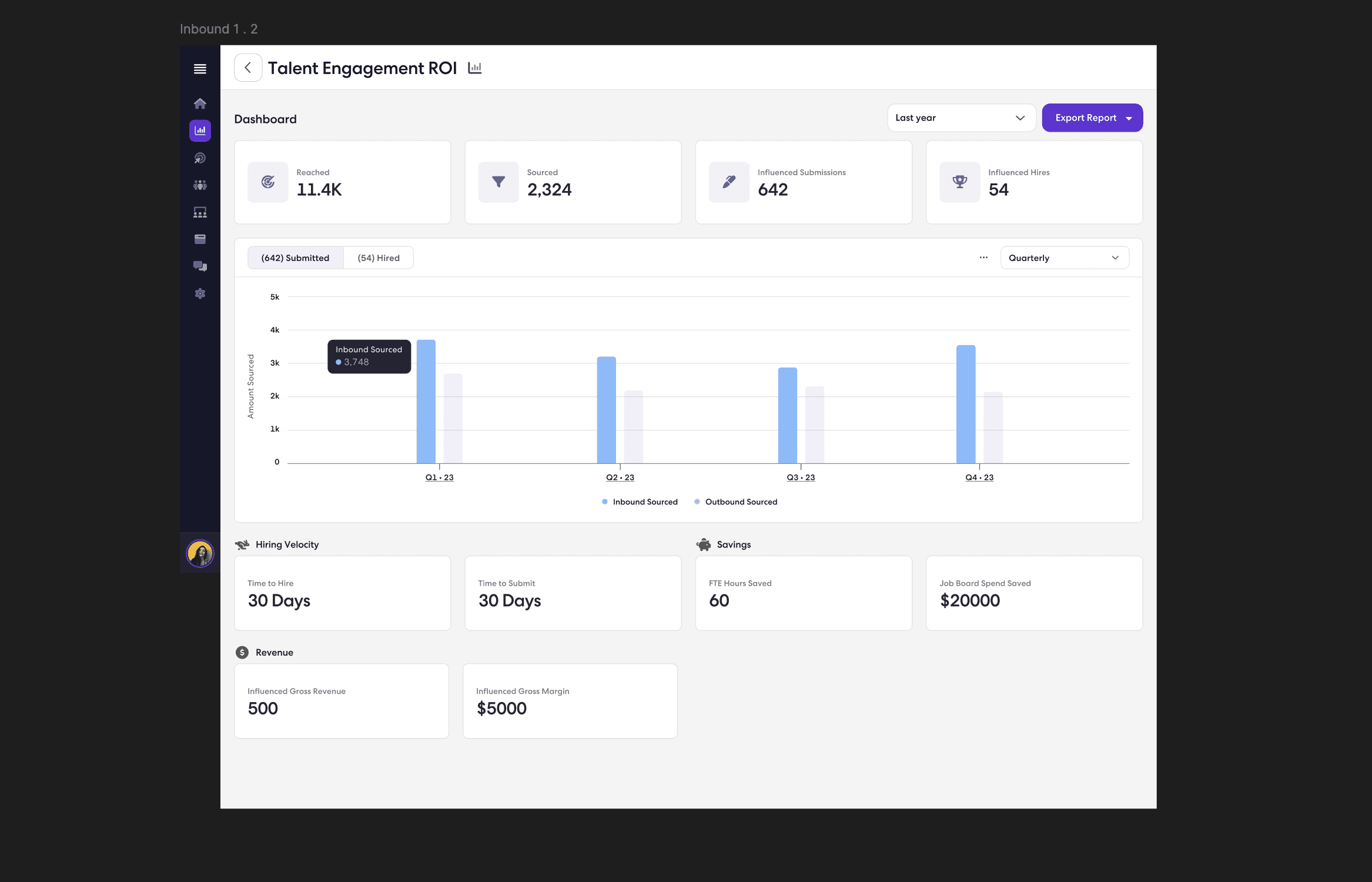
Analytics: Talent Engagement ROI
All of this work had to prove its worth, so we designed the analytics to show it. The Talent Engagement ROI dashboard rolls the whole funnel into one view: candidates reached, sourced, and hired, hiring velocity, hours and job-board spend saved, and the revenue engagement influenced.
05 · The outcome
Design as a platform capability
What started as a design-system role became an end-to-end transformation: a unified design language across web and mobile, and a product organization that could ship automation and AI features at pace because the foundation was already there.
1
design language across web and mobile
2
design systems, React and React Native
10+
products shipped using the design system
Want the full walkthrough?
Happy to walk through the systems, the AI products, and how the transformation was sequenced.